3 Practical Ways to Prepare Your Home for a Stronger Sale
By Matt Caiola
Most sellers know they should declutter and repaint before listing. That advice is fine, and it's also the bare minimum. The homes that sell fastest and for the strongest prices in Fairfield County share something more specific: they've been prepared with the buyer's decision-making process in mind, not just their aesthetic preferences.
Here are three areas where focused preparation consistently makes a measurable difference.
1. Address the Inspection Report Before the Buyer Does
A pre-listing inspection costs $400-$700 depending on square footage. It's one of the highest-ROI moves a seller can make, and most skip it. The reason is simple: sellers don't want to know what's wrong. But buyers will find out regardless, and the negotiating power shifts dramatically once they have a 40-page report listing every deficiency.
I've seen deals lose $30,000 or more over a $2,500 HVAC issue that could have been resolved before listing. When a buyer's inspector flags a 15-year-old furnace, the buyer doesn't just want a new furnace, they want a price reduction that covers the furnace, installation, potential ductwork, and a comfort margin for the inconvenience. Fix it proactively and you remove the negotiating chip entirely. You also signal to buyers that the home has been well maintained, which changes how they evaluate everything else.
2. Stage for Photography, Not Just Showings
In 2026, roughly 95% of buyers see your home online before they ever schedule a showing. The listing photos are your first showing, and they happen on a 6-inch phone screen during a commute or a lunch break. The staging that works in person (a tasteful throw pillow arrangement, a carefully curated bookshelf) often disappears in a wide-angle photo.
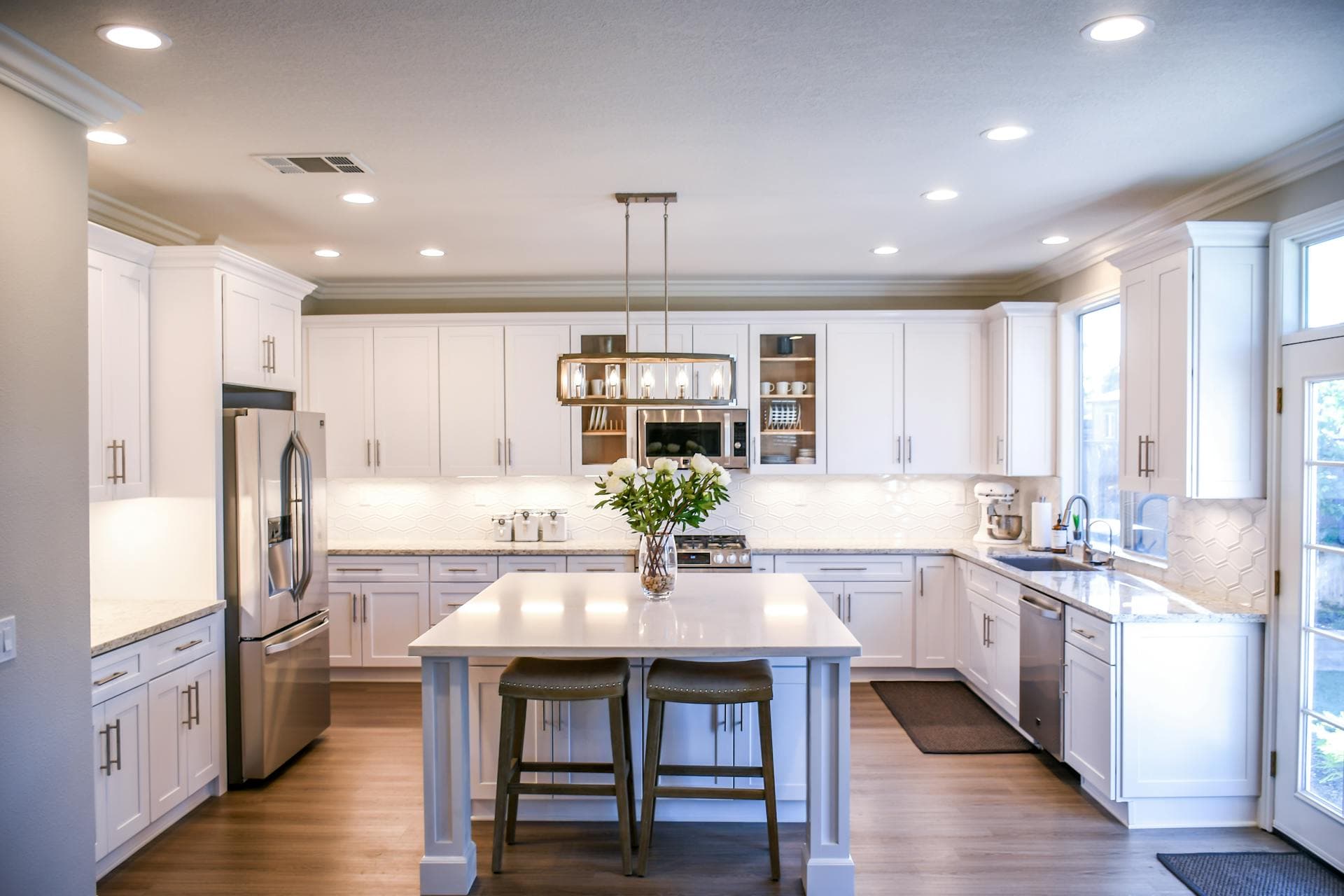
What photographs well: clean sightlines through rooms, contrast between walls and furnishings, natural light streaming across uncluttered surfaces, and defined purpose in every room. A spare bedroom with a desk and a treadmill reads as storage on camera. That same room with a single desk, a task lamp, and a plant reads as a home office, which is exactly the feature 2026 buyers are scanning for. I walk through every listing with the photographer's lens in mind before we shoot, because the images determine whether a buyer clicks "Schedule Tour" or keeps scrolling.
3. Price With Local Comps, Not Zillow Estimates
Automated valuation models are useful starting points, but they miss the variables that actually drive sale prices in Fairfield County's micro-markets. A Zestimate doesn't know that the house across the street sold $200K under ask because of a contentious divorce. It doesn't distinguish between a renovated kitchen with Sub-Zero appliances and one with builder-grade cabinets. It can't factor in that your lot backs up to a land trust preserve while a comparable property backs up to I-95.
Pricing correctly on day one generates the most activity during the critical first two weeks of a listing. Overpricing by 5-8% might seem conservative, but it pushes your home outside the search filters of your most likely buyers. They set a max price and never see your listing. By the time you reduce, the market has mentally categorized the property as stale. I use closed-sale data, pending-sale intelligence, and neighborhood-specific absorption rates to set a price that attracts competitive interest from the start, not one that requires a correction 30 days later.