Summer 2026 in Fairfield County: A Market Outlook for Buyers and Sellers
By Matt Caiola
Fairfield County enters the summer of 2026 with a market that is active, competitive, and still defined by a shortage of homes for sale. Across the county's towns, the median sale price over the past twelve months was about $660,000, up roughly 5 to 6 percent from the prior year. Inventory remains thin: at the start of summer there were only around 2,000 homes actively for sale countywide against nearly 8,800 sales over the prior year, which works out to under three months of supply. Those are the headline numbers. The more useful story is in how they vary by town and price point, and in what the summer season specifically tends to change.
Inventory Is Still the Defining Constraint
The shortage of listings that has shaped this market for years has not resolved. With under three months of supply countywide, where a balanced market sits closer to five or six, Fairfield County remains a seller's market by any conventional measure. The cause is familiar. Owners who locked in mortgage rates below 3 percent during 2020 and 2021 have little financial reason to sell and take on a new loan in the mid-6 percent range. The homes that do reach the market tend to be motivated listings tied to a real life event, a job move, a growing family, a downsizing decision, rather than speculative ones. For buyers, that means fewer options but more serious sellers. For sellers, it means a well-prepared, correctly priced home still meets strong demand.
Prices Are Up, But the Average Hides the Story
The county-wide median rose over the past year, but the increase is not evenly distributed, and the average blends markets that have little in common. The Gold Coast shoreline towns operate in their own tier. Over the past twelve months the median single-family sale price was about $2.3 million in Greenwich, $2.75 million in New Canaan, $2.47 million in Darien, and $2.34 million in Westport. In those towns homes have been selling at or above asking, with Darien single-family sales closing at a median of roughly 106 percent of list price and the other shoreline towns right around 100 to 102 percent. Closer to the county median, the more attainable cities of Stamford, Norwalk, and Fairfield carry single-family medians from about $800,000 to $1.15 million and remain the most active, fastest-turning part of the market.
New Construction Is Adding Options in the Stamford-Norwalk Corridor
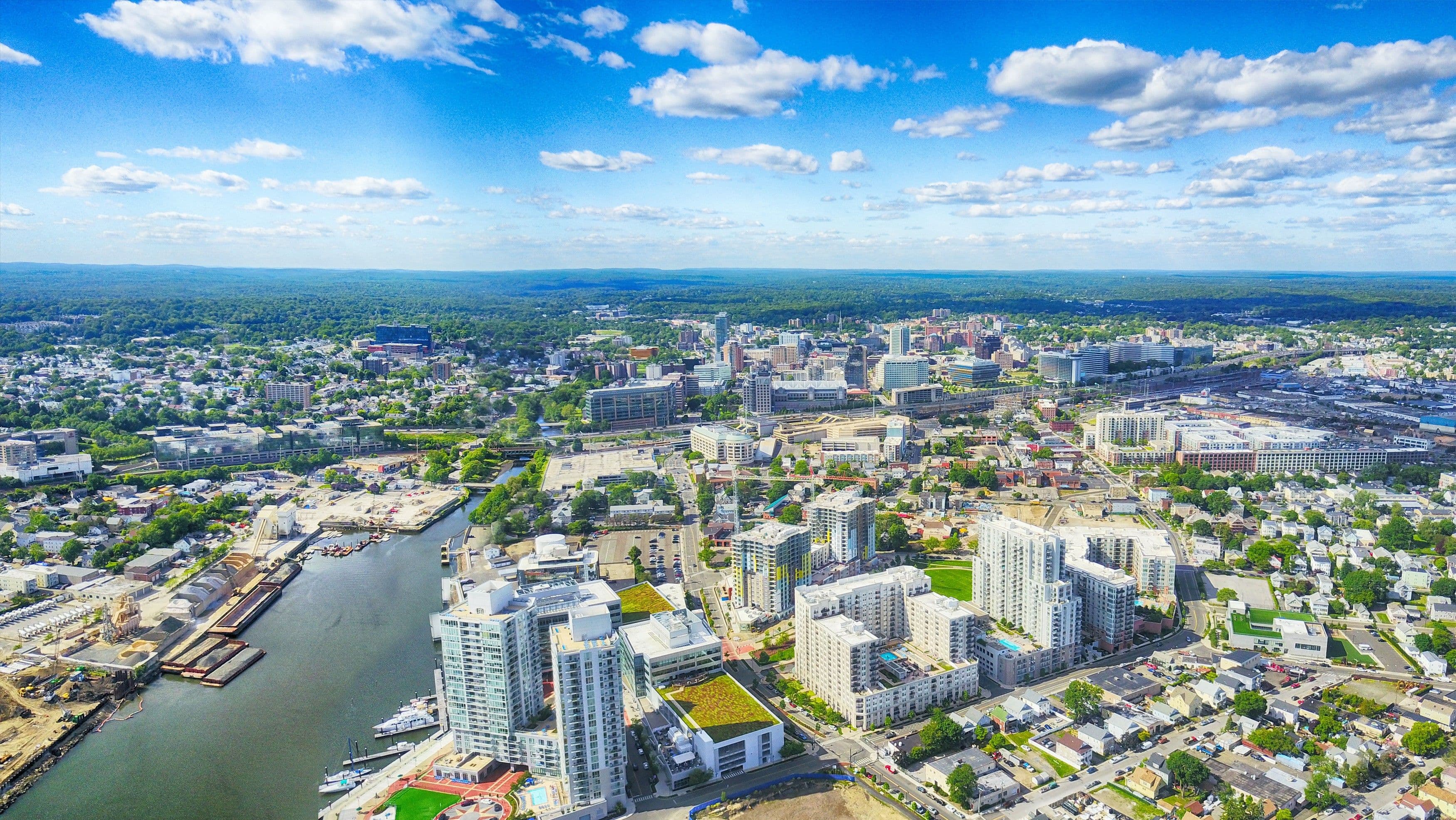
One genuine source of new inventory sits in the Stamford and Norwalk corridor, where waterfront redevelopment and downtown infill have delivered condominiums and townhomes that did not exist a few years ago. Resale condominiums in those two cities carry medians in the mid-$400,000s, while newer waterfront and downtown units run well into seven figures. They compete directly with older colonials in the surrounding towns and appeal to the same move-up and relocating buyers. For someone who wants newer construction, low maintenance, and a walk to the train, this corridor is one of the few parts of the county where supply is actually growing.
Where Mortgage Rates Sit This Summer
The average 30-year fixed mortgage rate has hovered in the mid-6 percent range through June 2026, drifting between roughly 6.5 and 6.7 percent. That is meaningfully below the peaks of recent years but high enough to keep the rate-lock effect firmly in place. For buyers, the practical reality is that waiting for a dramatic drop has not paid off, and competition for the best homes has not eased. For sellers weighing whether to list, the steadiness of rates through the spring removed some of the uncertainty that kept owners on the sidelines a year ago. If rates ease further into the fall, expect a modest loosening of inventory, but not a flood.
What Summer Specifically Changes
The Fairfield County market has a rhythm, and summer sits just past its busiest stretch. The spring surge, when the largest share of listings hits the market and competition peaks, gives way to a season with two distinct buyer groups. The first is families racing the school calendar, hoping to close and move before the new academic year. For them, late June and July carry real urgency, and they will pay for the right house in the right district. The second group is the unhurried summer buyer, often relocating from the city, who tours on weekends between time at the shoreline. Sellers who list in summer face slightly thinner traffic than the spring peak, but those looking in July tend to be committed rather than casual.
Days on market typically tick up a little as summer progresses and the spring inventory is absorbed, which can give patient buyers marginally more room to negotiate on listings that have lingered. The key word is marginally. In the most sought-after towns and the mid-market, well-priced homes continue to move regardless of season.
Advice Heading Into the Season
If you are buying, get your financing fully arranged before you tour, because in this market the prepared offer wins over the hesitant one. Decide in advance which town and price tier match your life, since the county is really a dozen different markets wearing one name. If you are selling, summer is still a strong window, but the homes that win are the ones that are properly prepared and priced to the most recent comparable sales, not to last spring's optimism. Pricing to the market is what generates competing offers. Pricing above it is what generates a price reduction in August.
Whether you are planning a summer purchase or weighing whether to list before the fall, I am happy to walk through what the numbers mean for your specific town, price point, and timeline. Matt Caiola, Higgins Group Private Brokerage.
Figures reflect SmartMLS sales data for Fairfield County as of June 2026. Greenwich also maintains its own local MLS in addition to SmartMLS, so some Greenwich listings may not be captured in these numbers, and actual Greenwich activity may run somewhat higher.