Wilton: Space, Privacy, and the Quieter Side of Fairfield County
By Matt Caiola
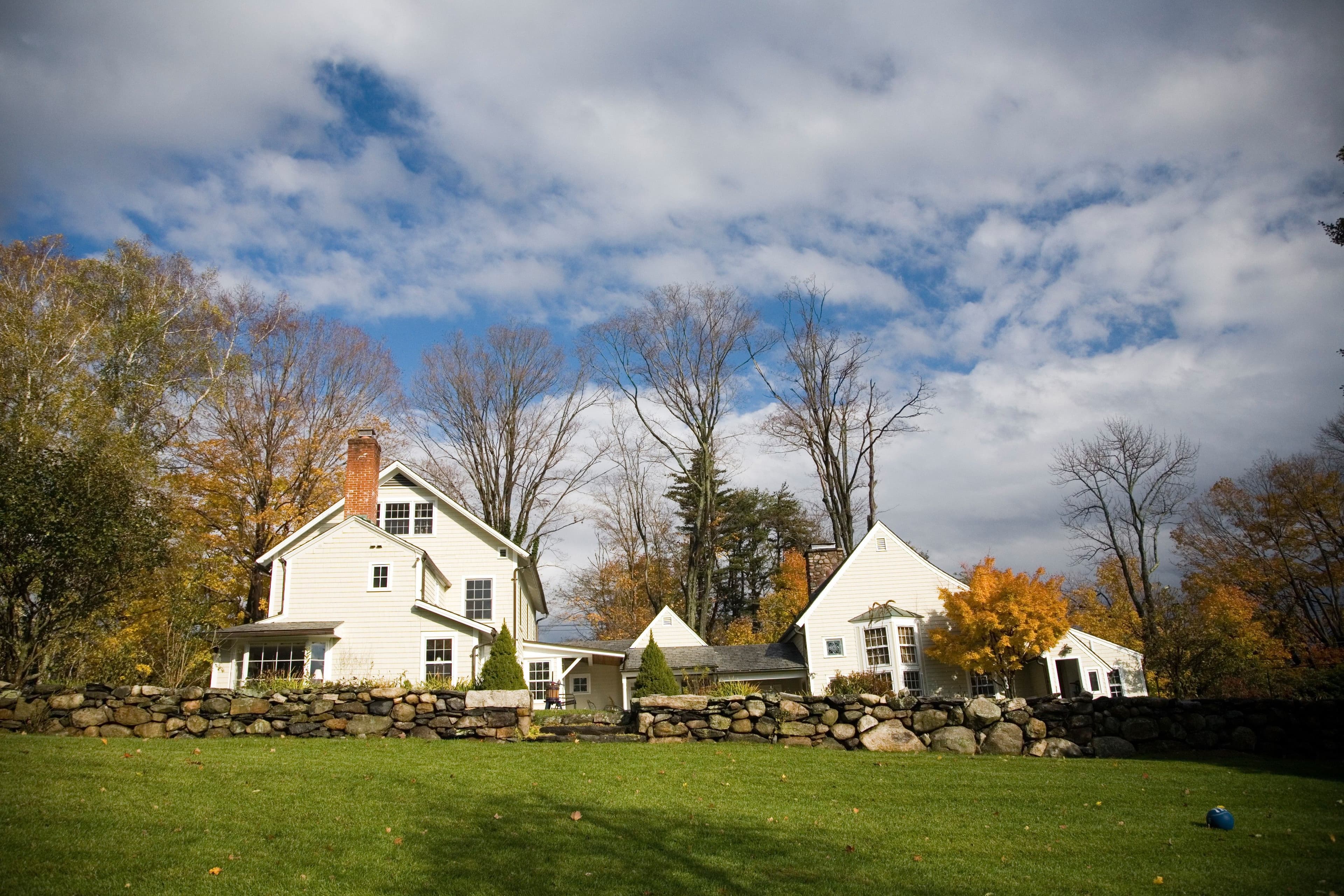
Wilton made a decision decades ago that has defined its character ever since: it chose to stay rural. While neighboring towns densified, extended sewer lines, and rezoned for smaller lots, Wilton maintained two-acre minimum zoning across most of its residential area. The result is a town where stone walls line the roads, horses graze on properties visible from the Merritt Parkway, and a five-minute drive from the village center puts you on a winding lane where the nearest neighbor's house is barely visible through the trees.
That deliberate preservation comes with trade-offs. Wilton does not have a walkable downtown in the way that Westport or New Canaan does. There is no train station on the main Metro-North line within town limits. The commercial offerings along Route 7 are functional rather than charming. Buyers who need walkability or a vibrant restaurant scene should look elsewhere. Buyers who want land, privacy, nationally ranked schools, and a residential character that the market cannot easily replicate will find Wilton difficult to match.
Wilton Center and Route 7
Wilton Center sits at the intersection of Danbury Road (Route 7) and Old Ridgefield Road and serves as the town's civic hub. The Wilton Library, a modern facility that opened in 2010, is the centerpiece, a community gathering space that hosts programs, exhibits, and events year-round. The Town Green sits adjacent to the library and provides a physical anchor for the town's identity.
The commercial options along Route 7 include grocery stores, banks, a hardware store, and a handful of restaurants. It is not a destination dining corridor. The restaurants in Wilton serve the community well (Village Market, Orem's Diner, and a rotating cast of small establishments), but residents who want a broader culinary range typically drive ten minutes south to Norwalk or Stamford.
Cannondale, in the northern section of town along the Norwalk River, has a small historic village center with a seasonal Metro-North station on the Danbury branch line, a general store, and a quiet, preserved aesthetic. Cannondale is one of those places that people stumble upon and immediately want to learn more about. The buildings are simple, the river runs alongside the road, and the pace slows noticeably.
The Schools
Wilton's school system is the town's most frequently cited asset, and the reputation is earned. Wilton High School ranks consistently in the top tier of Connecticut public high schools. The system operates four schools total (one high school, one middle school, two elementary schools), and the uniformity across all four is notable.
Class sizes are small relative to the county average, and the extracurricular offerings (particularly in performing arts, athletics, and STEM) are robust for a district of this size. The single-high-school model means there is no zoning lottery within town; every Wilton student attends the same high school regardless of which neighborhood they live in.
Families relocating from districts like Scarsdale or Darien will find the academic profile comparable. Families coming from New York City's private school system will find the public school quality to be a genuine upgrade in terms of facilities, breadth of programming, and per-student resources.
Housing and the Two-Acre Reality
The two-acre minimum zoning that defines most of Wilton's residential areas is not just a number on a zoning map. It shapes the entire experience of living here. Properties are set well back from the road. Mature hardwoods create a canopy over winding streets. The lots are large enough to support pools, tennis courts, outbuildings, and genuine agricultural use.
The housing stock ranges from antique farmhouses dating to the 1700s and 1800s to mid-century colonials and contemporary new construction. Prices in Wilton typically run from $800,000 for a dated ranch or cape that needs updating to $3 million for a renovated estate on prime acreage. The median sale price has hovered around $1.1 million to $1.3 million over the past year.
New construction in Wilton tends to be custom-built rather than spec development, because the lot sizes and setback requirements make large-scale development impractical. Builders who work in Wilton specialize in high-end residential construction on individual parcels, and the architectural quality of recent builds reflects that specialization.
The Commute Question
Wilton does not have its own express station on the main Metro-North New Haven Line. The Cannondale station on the Danbury branch provides limited seasonal service, and most residents drive to one of the nearby mainline stations: South Norwalk (approximately 15 minutes), Westport (approximately 20 minutes), or Stamford (approximately 25 minutes). From those stations, express trains reach Grand Central in 47 to 57 minutes depending on the departure point.
This makes the total door-to-desk commute longer than the shoreline towns. A Wilton resident commuting to Midtown Manhattan should budget 75 to 90 minutes each way, including the drive to the station. That math works well for buyers commuting two or three days per week, which describes an increasing share of Fairfield County's professional population since 2020.
Buyers who commute daily to Manhattan will find the drive to South Norwalk station or the Merritt Parkway route to Stamford manageable but not trivial. This is the primary trade-off for the space, the privacy, and the school quality that Wilton provides.
Who Wilton Is For
Wilton consistently attracts a specific buyer: the family that has toured Westport and Darien, appreciated the schools and the commute, but wanted more land and more privacy than those towns could offer at their price point. A $1.5 million budget in Westport buys a three-bedroom colonial on a third of an acre. The same budget in Wilton buys a four-bedroom colonial on two acres with a flat backyard and a detached garage.
The town also attracts second-move buyers from Stamford and Norwalk who outgrew their first suburban home and are ready for more space. The drive from Wilton to Stamford's restaurants and shopping takes 15 minutes, which means the amenity trade-off is a matter of convenience, not access.
If Wilton is on your list, I can show you what the market looks like at your price point and walk you through the commute, the school system, and the neighborhood dynamics in detail. Reach out anytime. Matt Caiola, Higgins Group Private Brokerage.